
Piscora
Aquatic water texture background

Aquarium Fish Species & Guides

A clear, factual reference for aquarists of all experience levels.

About Piscora

Piscora is an independent reference site focused on clear, factual aquarium information.
Content is written to be practical, unbiased, and easy to understand, without hype or sales pressure.

Featured fish species

Discover some of the most interesting fish for your aquarium.

Browse all species
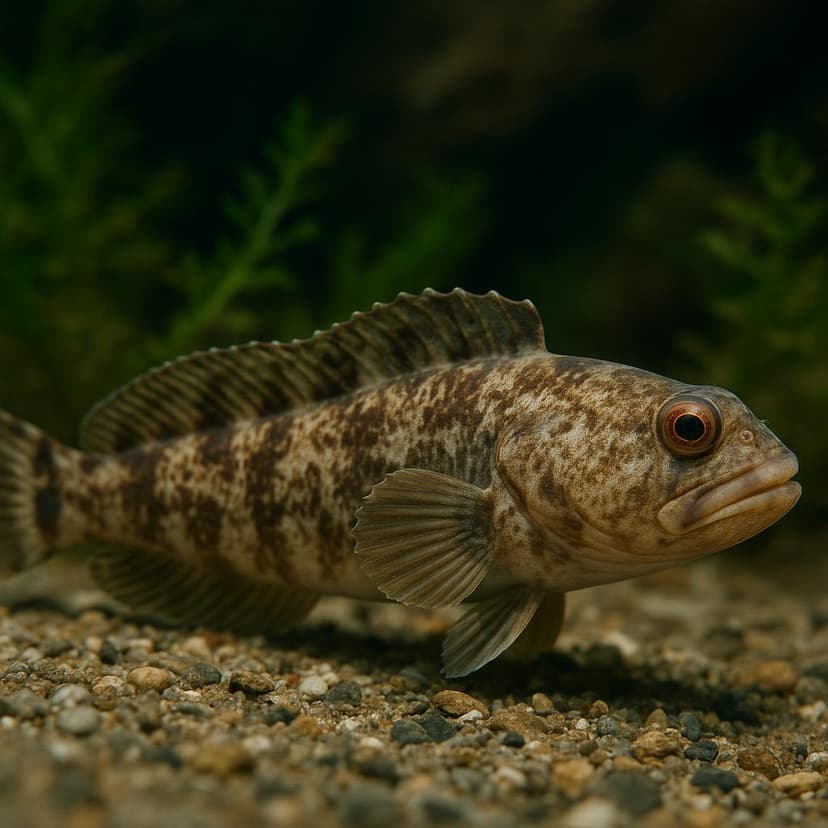
AI-generated illustration of Abe's eelpout
Marine
AI Generated
Photo

Abe's eelpout

Japonolycodes abei

Japonolycodes abei is a temperate, deepwater demersal eelpout (family Zoarcidae) endemic to Japan (Kumano-nada Sea reported; other sources also report Sagami Bay and Tosa Bay). It is the only species in the genus Japonolycodes and occurs roughly 40-300 m depth, making it an uncommon/atypical aquarium species.

SmallPeacefulExpert
Min. 55 gal
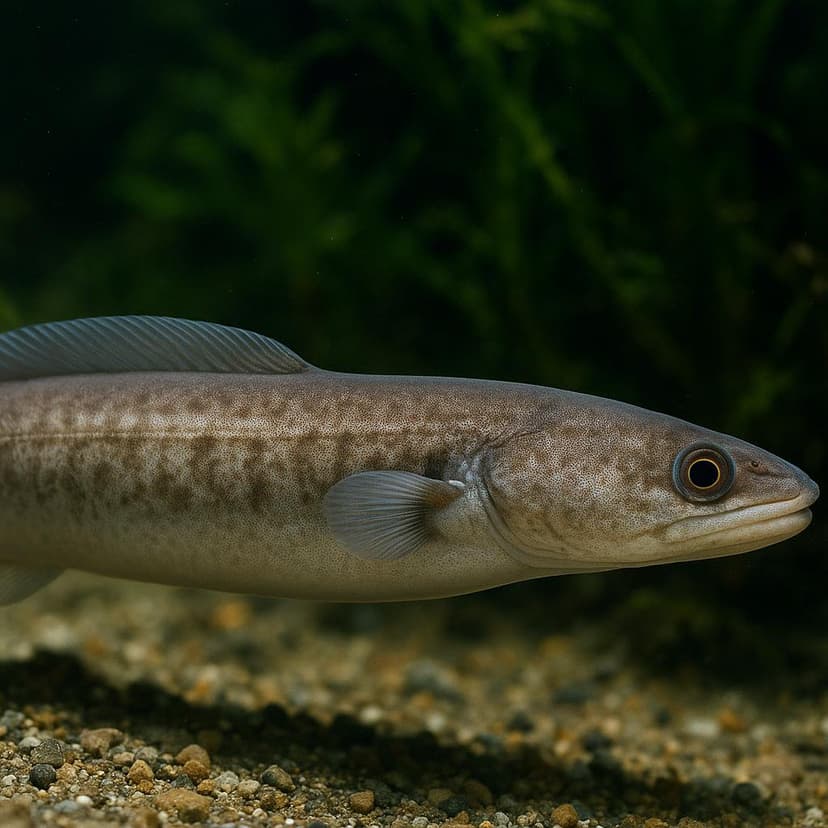
AI-generated illustration of African conger (Japonoconger africanus)
Marine
AI Generated
Photo

African conger (Japonoconger africanus)

Japonoconger africanus

This is a smallish deep-water conger eel from the eastern Atlantic (Gabon down to the Congo), and it lives way deeper than anything we normally keep at home. It is a predator that eats fish and crustaceans, and while it is a cool species on paper, it is basically not an aquarium fish in any normal sense due to its deep-water habitat and lack of established captive care info.

SmallSemi-aggressiveExpert
Min. 180 gal
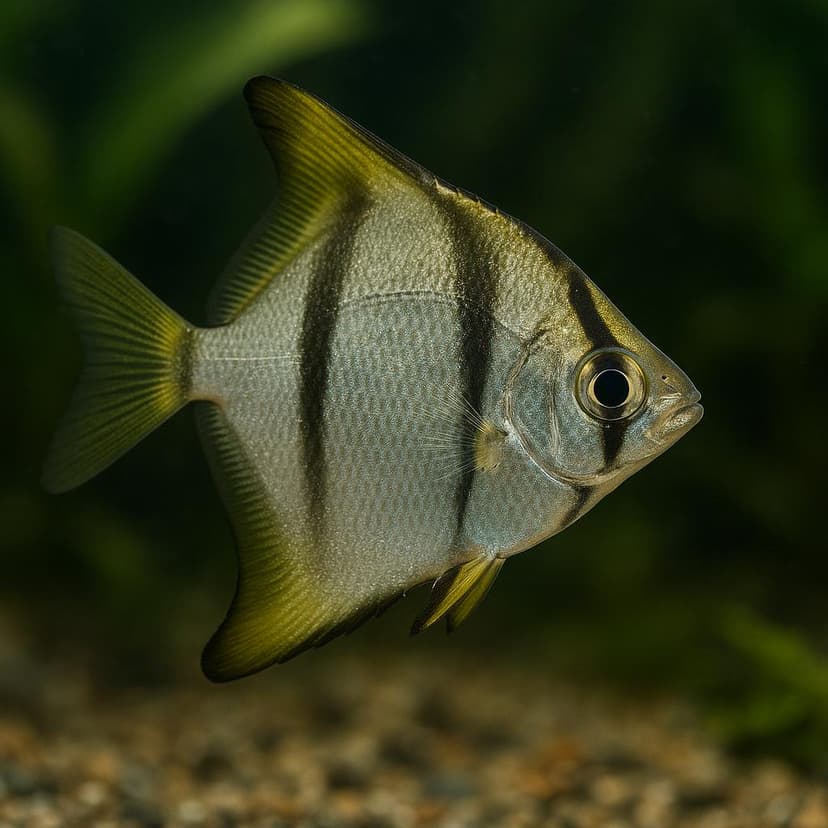
AI-generated illustration of African moony
Brackish
AI Generated
Photo

African moony

Monodactylus sebae

This is that shiny, diamond-shaped "mono" that cruises around in a tight pack and looks like a little silver dinner plate with black bars when it's young. The big thing with African moonies is they're euryhaline-so they'll tolerate freshwater as juveniles, but they really shine long-term in brackish (and can be transitioned toward marine as they mature). Give them a big, open tank and a group, and they turn into nonstop, super fun midwater swimmers.

LargePeacefulIntermediate
Min. 125 gal
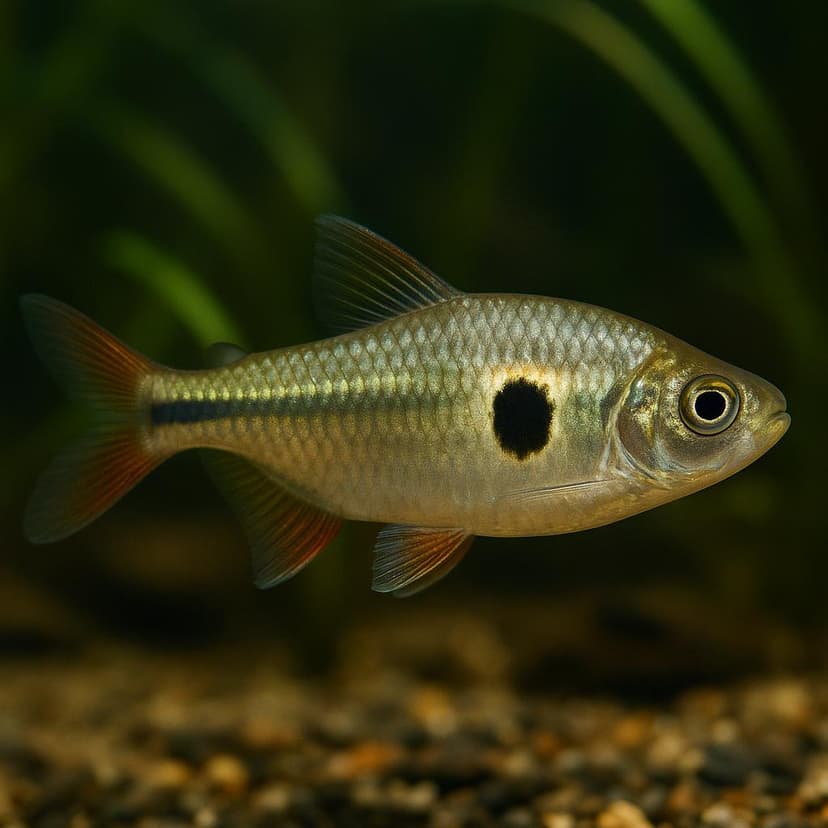
AI-generated illustration of Ajuricaba tetra
Freshwater
AI Generated
Photo

Ajuricaba tetra

Jupiaba ajuricaba

Jupiaba ajuricaba is a South American freshwater characin from the Amazon basin in Brazil (rio Negro, rio Solimões, and rio Tapajós basins). It reaches about 9.5 cm SL and is diagnosed by a narrow dark midlateral stripe, an elongated humeral spot, and an ocellated spot on the upper caudal-fin lobe. Wild specimens have been collected from blackwater forest streams and also oxbow-lake habitats.

SmallPeacefulIntermediate
Min. 20 gal
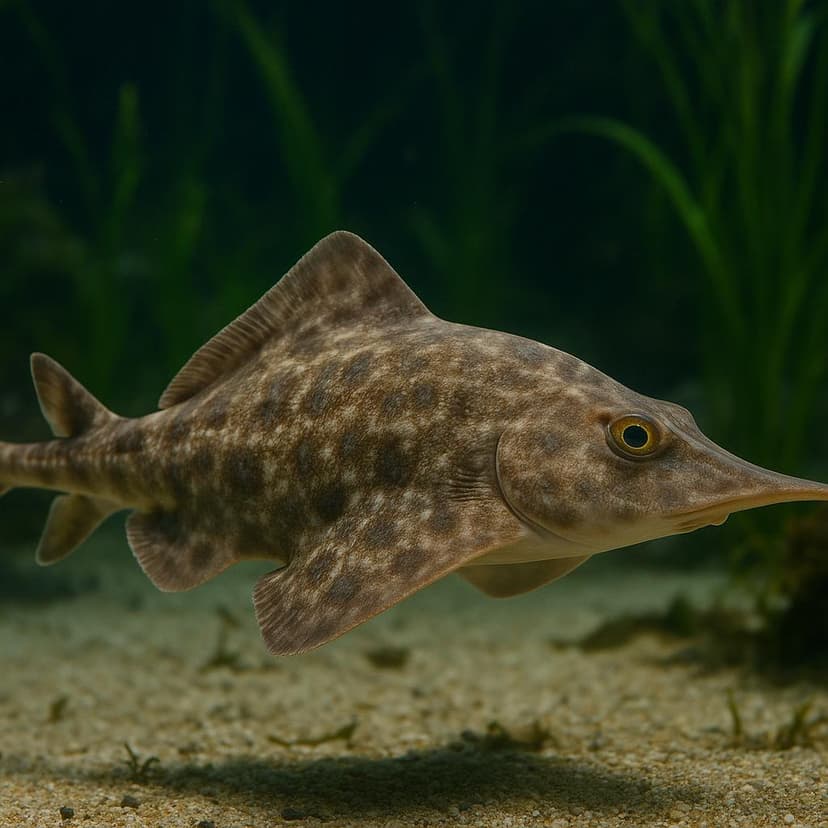
AI-generated illustration of Aleutian skate
Marine
AI Generated
Photo

Aleutian skate

Bathyraja aleutica

This is a big, cold-water deep-slope skate from the North Pacific that cruises muddy bottoms and eats chunky benthic prey like crabs and shrimp. The really cool bit is its egg-laying skate life - it does distinct pairing (the classic skate "embrace") and drops those tough egg cases on the seafloor. Not an aquarium fish at all unless you're basically running a public-aquarium-style chilled system.

LargeSemi-aggressiveExpert
Min. 2000 gal
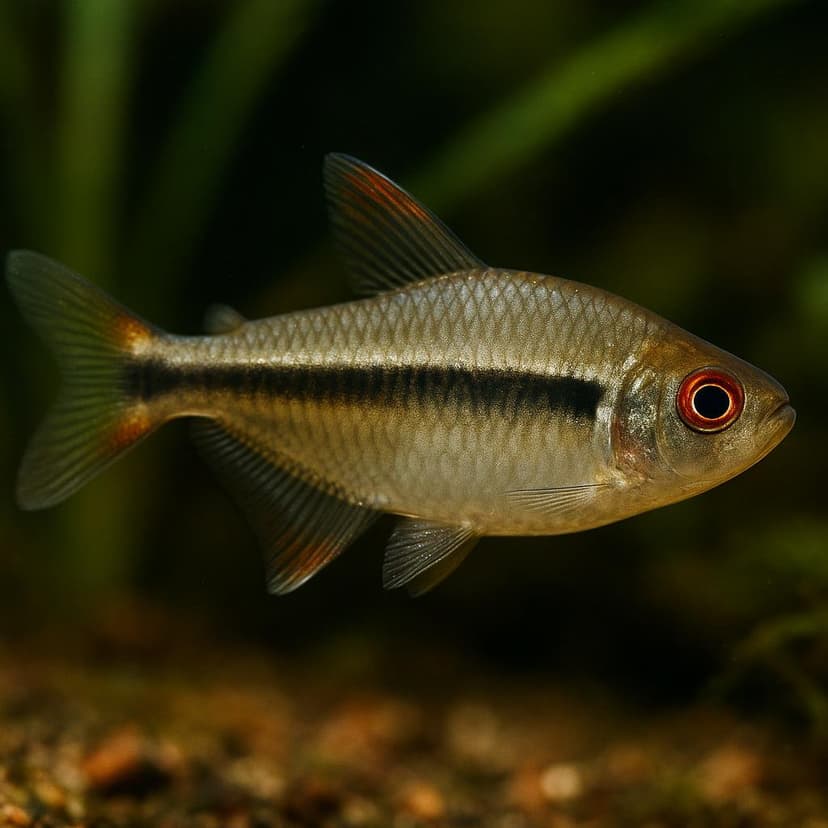
AI-generated illustration of Amapa tetra
Freshwater
AI Generated
Photo

Amapa tetra

Hyphessobrycon amapaensis

This is a tiny, super sleek little tetra with a clean red stripe down the side that really pops once its settled in. It does best in a planted, slightly tinted "creek-style" setup and looks way cooler when you keep a proper group so they school and flash that line together. If you can give it soft, slightly acidic water and a calm community, its an easy fish to fall for.

NanoPeacefulIntermediate
Min. 20 gal

Explore

Dive into our curated selection of resources to help you on your aquatic journey.

Popular care guides

Explore some of our most popular care guides and articles curated for you.

Fish Temperature Compatibility Guide

Fish Temperature Compatibility Guide

Match fish species by overlapping temperature ranges so you can stock your aquarium with fish that thrive in the same conditions. This guide shows you how to compare ideal ranges, understand safe overlap, and plan a stable community tank built around shared water temperatures.